
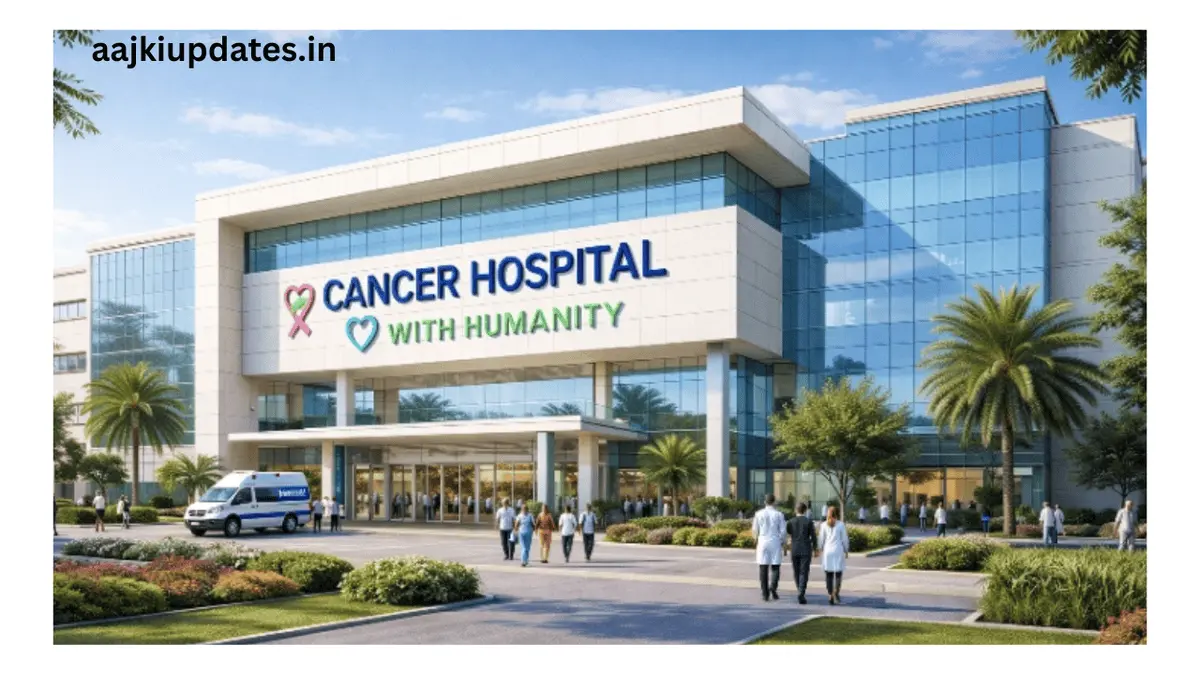
New Cancer Care Centers and Technology in Modern Hospitals
Cancer remains one of the most serious health challenges worldwide, affecting millions of people every year. In response to the growing number of cases, hospitals across the globe are investing in new cancer care centers equipped with advanced technology and specialized medical teams.
Also Read

These modern cancer centers aim to improve early detection, provide more effective treatments, and support patients throughout their recovery journey. With innovations such as artificial intelligence, precision radiotherapy, and targeted therapies, hospitals are transforming how cancer is diagnosed and treated.
The Growing Need for Specialized Cancer Care Centers
Over the past decade, the demand for specialized cancer treatment facilities has increased significantly. Many hospitals are now establishing dedicated oncology centers where patients can receive comprehensive care under one roof.
These cancer care centers typically include diagnostic labs, chemotherapy units, surgical oncology departments, and rehabilitation services. Having all these facilities in a single location helps doctors coordinate treatment more efficiently and allows patients to access the care they need without delays.
Additionally, specialized centers provide a multidisciplinary approach, where oncologists, surgeons, radiologists, and other specialists work together to design personalized treatment plans for each patient.
Advanced Technologies Transforming Cancer Treatment
One of the biggest reasons behind the rise of modern cancer care centers is the rapid advancement of medical technology. Hospitals are now using highly sophisticated tools that help doctors detect and treat cancer with greater accuracy than ever before.
Artificial Intelligence in Early Diagnosis
Artificial intelligence is playing an increasingly important role in cancer diagnosis. AI-powered systems can analyze medical scans such as CT scans, MRIs, and mammograms to identify potential tumors at very early stages.
By assisting doctors in reviewing large amounts of medical data quickly, AI technology can help reduce diagnostic errors and improve early detection rates.
Precision Radiotherapy
Modern radiotherapy systems allow doctors to deliver radiation directly to cancer cells while minimizing damage to surrounding healthy tissues. This precision significantly reduces side effects and improves treatment outcomes.
Many hospitals are now using advanced radiation technologies such as intensity-modulated radiotherapy (IMRT) and image-guided radiotherapy (IGRT) to provide safer and more targeted treatment.
Immunotherapy and Targeted Treatments
Newer treatments like immunotherapy are changing the way cancer is treated. Instead of simply destroying cancer cells, immunotherapy works by strengthening the patient’s immune system so it can recognize and fight cancer more effectively.
Targeted therapies, on the other hand, focus on specific genetic mutations that cause cancer growth. These treatments are more personalized and often result in fewer side effects compared to traditional chemotherapy.
Patient-Centered Care in Modern Hospitals
Modern cancer care centers are designed not only to treat the disease but also to support the overall well-being of patients. Hospitals are increasingly adopting a patient-centered approach that focuses on physical, emotional, and psychological support.
Many cancer centers now provide services such as counseling, nutritional guidance, pain management, and rehabilitation programs. These services help patients cope with the challenges of treatment and improve their quality of life during recovery.
The goal is to ensure that patients feel supported throughout every stage of their treatment journey.
The Future of Cancer Care
The future of cancer treatment looks promising as medical research and technology continue to advance. Scientists are exploring new methods such as genetic-based therapies, personalized medicine, and AI-driven diagnostics that could further improve survival rates.
Hospitals are also investing in robotic surgery and advanced imaging technologies to enhance treatment precision and reduce recovery time.
As these innovations continue to develop, cancer care centers will play a critical role in delivering safer, faster, and more effective treatment to patients around the world.
Conclusion
The emergence of new cancer care centers and advanced medical technologies is transforming modern hospitals. With improved diagnostic tools, innovative treatment methods, and a strong focus on patient care, hospitals are making significant progress in the fight against cancer.
These advancements offer new hope for millions of patients, bringing the healthcare industry closer to a future where cancer can be detected earlier, treated more effectively, and managed with greater compassion.