
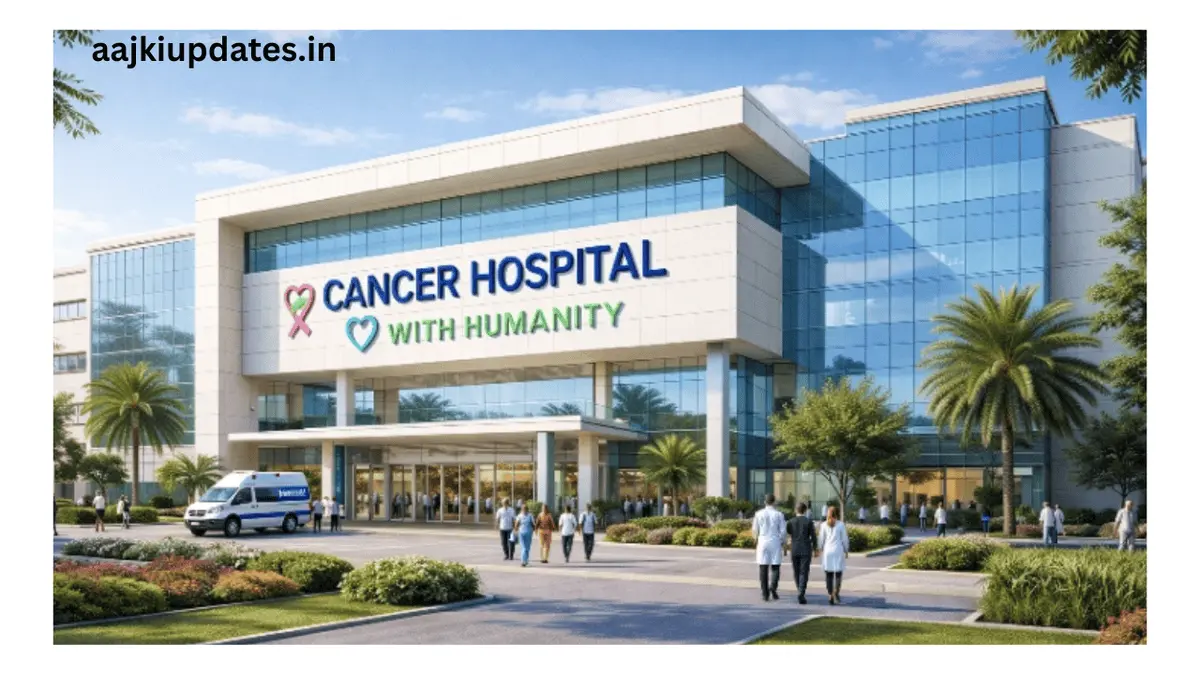
The Future of Hospitals Is Here — And It’s Nothing Like You Imagined
Introduction
Also Read

The future of hospitals is no longer a distant dream — it is happening right now. In 2026, hospitals are transforming at a speed that most people never expected. From AI-powered diagnosis to fully digital health records, the way patients receive care is changing completely.
If you think hospitals are still just buildings with beds and doctors — think again.
Why “Future of Hospital” Is One of the Most Searched Topics Today
Rising demand for faster, smarter healthcare
Growing fear of medical errors and outdated systems
Increasing interest in technology-driven treatment
Post-pandemic awareness about hospital readiness
Patients are no longer passive — they want to know what kind of care they will receive before they even walk through the door.
What the Future of Hospitals Actually Looks Like
The hospitals of tomorrow are being built today. Here is what is already changing:
AI Diagnostics — Machines detecting diseases before symptoms appear
Robotic Surgeries — More precision, less human error
Predictive Health Models — Your data predicts your illness before it happens
Paperless Systems — Every record, report, and prescription fully digital
These are not concepts from a science fiction movie. They are real, and they are already being implemented in leading hospitals worldwide.
Patients Will Be at the Center of Everything
The future of hospitals is not just about technology — it is about people. Hospitals are shifting their entire focus toward patient experience. This means:
Shorter waiting times
Personalized treatment plans
24/7 virtual consultations
Comfortable, stress-free environments
Healthcare will feel less like a system and more like a service built around you.
The Challenges That Still Remain
Despite all this progress, serious challenges still exist:
High cost of advanced medical technology
Unequal access between rural and urban areas
Data privacy concerns in digital health systems
The future of hospitals is bright — but only if these gaps are addressed seriously.
Conclusion
The future of hospitals is fast, smart, and patient-focused. Technology is no longer optional in healthcare — it is essential. Whether you are a patient, a caregiver, or a healthcare professional, understanding this shift is more important than ever.
The hospital of the future is not just treating illness — it is preventing it.